A Day in the Life of a Neonatal Dietitian
My name is Catherine Casewell and I’d like to share with you what a day in the life of a Neonatal Dietitian looks like for me! I work full time with a split role between Ashford and St Peter’s Hospitals NHS Foundation Trust (ASPH) three days a week and as the Kent, Surrey and Sussex Operational Delivery Network (KSS ODN) Neonatal Dietitian two days a week. In my clinical role, I work on our Level 3 Neonatal Intensive Care Unit (NICU) two mornings a week, delivering dietetic care to those infants born prematurely, or who require additional support following birth. As well as working as a Neonatal Dietitian, I also spend some of my time supporting the Paediatric Allergy Team as a Specialist Allergy Dietitian.
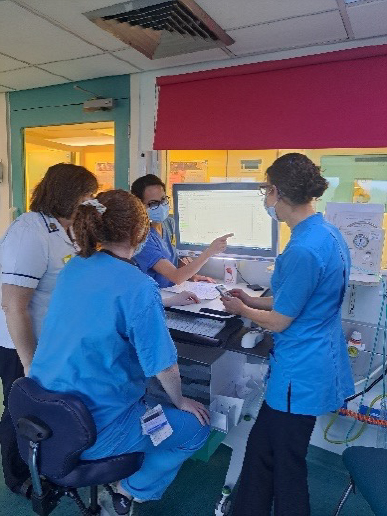
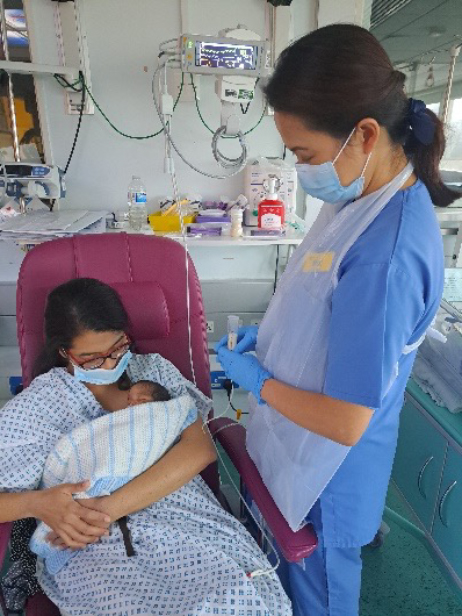
My day working in the NICU start at 8.30am with checking my emails and reviewing the babies who may have come into the unit on the days that I’m not working at ASPH. This is then followed by a multi-disciplinary team (MDT) meeting at 9am, where we discuss the babies currently in our care and review any medical and social issues. We also look at whether any support is required from an Allied Health Professional (AHP) to care for the babies. Clinical support from a Dietitian can include monitoring their weights and heights, and adjusting feeding regimens as required, discussing and optimising breast milk supply with breast feeding mums and supporting with the transition from naso-gastric tube feeding to oral feeding. We also discuss non-clinical duties that maybe required from the AHP team on the unit such as providing information for the parent information board ‘Theme of the Week’ , updating the information for both staff and parents on the intranet and internet, and training and education for staff.
During this meeting, the team will highlight any infants that require dietetic input. This includes supporting those neonatal infants who aren’t growing as expected and those who aren’t tolerating their current feeding regimens, which can be for a wide variety of reasons. Together we consider alternative feeding strategies to meet their nutritional requirements and help to support growth and development.
At St Peter’s Hospital, there are three different rooms providing different levels of care; the first room covering Intensive Care, the second for High Dependency Care and the third for babies who require special care. During my ward rounds, I will check the infants’ weight, length and head circumference to document and plot these on BadgerNet, our maternity and neonatal electronic records system. This enables me to identify and monitor the trend in growth. I’ll then talk to the team, including Nurses, Doctors, Developmental Care Lead, other AHPs including Speech and Language Therapists (SLT) and Physiotherapists, and the parents about feed tolerance and current volumes prescribed, and review relevant biochemistry.